Understanding MEES Regulations for Landlords: Your Complete Guide
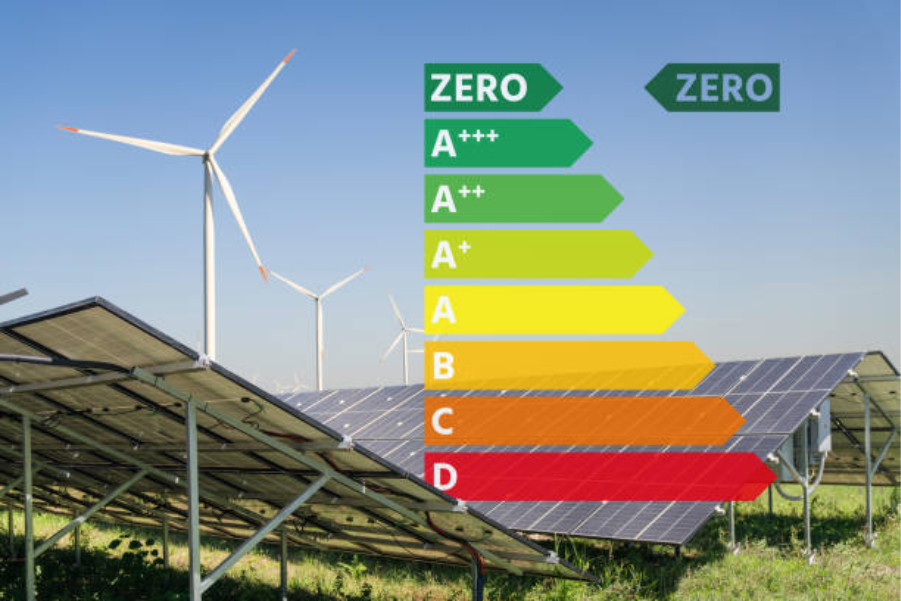
Landlords and property managers in the UK face growing pressure to ensure their rental properties meet strict energy efficiency standards. The Minimum Energy Efficiency Standards (MEES) were introduced to improve energy performance in the private rental sector, reduce carbon emissions, and protect tenants from inefficient properties. Understanding MEES regulations, MEES compliance, and how to align with legal requirements is critical for property owners. This guide will explore the regulations, legal obligations, compliance strategies, and practical steps landlords can take to ensure their properties meet energy efficiency standards.
MEES regulations apply to both commercial and residential properties, focusing primarily on buildings with Energy Performance Certificates (EPCs) rated below E. Any property with an F or Grating cannot be legally rented out without improvements to raise the energy efficiency rating.
Key Points of MEES Regulations:- Applies to all properties rented under the private sector in England and Wales.
- The minimum energy efficiency standard is an EPC rating of E.
- Enforcement is managed by local authorities and non-compliance can result in fines up to £5,000 per property.
Minimum Energy Efficiency Standards for Landlords
The minimum energy efficiency standards for landlords set clear legal requirements for rental properties. The standards aim to improve the energy efficiency of housing stock and reduce carbon emissions.
Landlords are required to:- Check EPC Ratings: Ensure each property has a valid Energy Performance Certificate.
- Make Necessary Improvements: Properties with EPC ratings below E must undergo upgrades such as insulation, double glazing, or modern heating systems.
- Maintain Compliance: Ongoing maintenance ensures that the property remains compliant with MEES regulations.
Failure to meet these standards can result in enforcement notices and financial penalties. Additionally, tenants have the right to report properties that do not comply, further emphasizing the need for landlords to remain proactive.
For detailed energy assessments, landlords can consult services such as Tandem Energy’s MEES Energy Assessment Services.
MEES Compliance: Steps for Landlords
Ensuring MEES compliance is a structured process. Landlords must understand the steps required to bring their properties up to standard.
Obtain a Valid EPC
A valid Energy Performance Certificate is essential. EPCs provide a rating from A (most efficient) to G (least efficient) and recommend improvements for properties falling below E.
Review the Recommendations
An EPC includes a list of recommended energy efficiency improvements. These can range from installing better insulation to upgrading heating systems. Landlords should review these recommendations carefully and assess the feasibility of each.
Plan and Implement Upgrades
Landlords must budget for the necessary upgrades and ensure work is carried out by certified professionals. Common upgrades include:
- Loft and wall insulation
- High-efficiency boilers
- Low-energy lighting
- Double or triple glazing
Plan and Implement Upgrades
Landlords must budget for the necessary upgrades and ensure work is carried out by certified professionals. Common upgrades include:
Retain Records
Maintain records of all improvements and EPC certifications. These documents are crucial in case of inspections or tenant disputes.
Monitor and Maintain
nergy efficiency is ongoing. Regular inspections and maintenance ensure the property continues to meet MEES standards over time.
nerLandlords seeking guidance on MEES compliance can access expert consultation from Tandem Energy.
MEES Regulations for Commercial Properties
MEES regulations also apply to commercial landlords and property owners. The rules mirror residential property requirements but are often more complex due to the size and usage of commercial buildings.
Key Considerations for Commercial Properties:
- Properties must have an EPC rating of E or higher.
- Exemptions exist for certain listed buildings or where improvements are not cost-effective.
- Non-compliance can result in financial penalties and restrictions on leasing agreements.
A practical approach is to undertake a full energy assessment before leasing or renewing commercial contracts. Detailed assessments, such as those provided by Tandem Energy’s commercial MEES services, ensure compliance and provide tailored recommendations.
Legal Requirements and Exemptions
While MEES regulations are mandatory, some properties qualify for exemptions. Understanding these exemptions can help landlords plan effectively.
Common Exemptions:
- Properties with a valid EPC rating of E or above.
- Buildings that are legally protected (e.g., listed buildings).
- Properties where improvements are not technically feasible or cost-effective.
However, exemptions must be documented and can be subject to review by enforcement authorities. Landlords should consult expert advisors, such as Tandem Energy, to confirm exemption eligibility.
Benefits of MEES Compliance
Complying with MEES regulations is not just a legal obligation. There are tangible benefits for landlords and tenants alike:
- Reduced Energy CostsImproved efficiency lowers utility bills.
- Higher Property Value: Energy-efficient properties are more attractive to buyers and tenants.
- Environmental Impact:Reduces carbon emissions and supports sustainability goals.
- Tenant Satisfaction:Comfortable, energy-efficient homes increase tenant retention.
Conclusion
Understanding MEES regulations is essential for landlords and property managers aiming to comply with UK energy efficiency laws. By following the steps outlined in this guide—obtaining EPCs, planning and implementing improvements, maintaining records, and consulting experts such as Tandem Energy landlords can avoid penalties, enhance property value, and contribute to sustainability efforts. Ensuring MEES compliance benefits both landlords and tenants, creating energy-efficient, comfortable, and legally compliant rental properties.
For professional advice and energy assessments, get in touch with Tandem Energy today to ensure your properties meet current standards.